Haley Moss is an autistic author, attorney, artist, neurodiversity advocate, and public speaker.
Autism has historically been a boy’s club, with diagnosis rates often being higher for boys and men than women and girls, with previous research suggesting a 1 to 4 ratio in diagnoses. However, that isn’t quite accurate. Autistic girls and women are historically diagnosed later, with rates of diagnosis starting to even out in adulthood.
Autistic girls and women have a unique story to be told. Early diagnosis, in fact, is a privilege afforded to few, depending on trait presentation, as well as ableism and sexism in the journey. I recognize I was one of the lucky ones, primarily because I had speech delays and other behavioral traits that aligned with autism and led me to be identified at age 3 – and that was back in the 90s. Keep in mind my parents were first told not to worry about my lack of speech, that all kids eventually catch up by kindergarten (not true), and I was beautiful (not helpful when you’re concerned about developmental milestones). Thankfully they trusted their instincts that something wasn’t quite right and had me evaluated, thus leading to a formal diagnosis and early intervention services.
But why is this the case? Quite frankly, it’s rooted in a lot of sexism and a hyperfocus on boys. Early research predominantly only studied autistic boys. We don’t neatly fit the same script and stereotypes of the autistic boy that dominates our minds in pop culture or as a checklist of diagnostic criteria. We might be quiet, anxious, or sensitive, rather than loud, hyperactive, or aggressive.
Research often focused on one aspect in particular when it comes to autistic girls and women: the idea of masking and camouflaging. Masking in particular is a phenomenon where someone takes on a neurotypical persona, while camouflaging is suppressing or hiding neurodivergent traits. It isn’t being fake so much as using assimilation as a combination of survival techniques and skills to avoid averse social consequences like bullying, harrassment, sexual assault or abuse, or to strategically make friends, gain employment, or be able to fully participate in a world where autism is not readily accepted or fully understood. Masking and camouflaging is not something that is unique to autistic girls and women, as motivations for masking and camouflaging may be different among gender, race, culture, and other demographic factors. However, it is a factor that leads to late identification or misdiagnoses since neurotypical experts aren’t often looking for these behaviors.
Admittedly, masking is something I learned fairly quickly throughout my childhood and adolescence. It was a survival skill I was taught and also picked up on since I wanted to make friends, and was terrified of the idea of bullying and exclusion. Concealing some of my deepest passions and interests, and learning about what was trendy or cool was a way I was able to connect with neurotypical peers who might not be accepting otherwise. My family and I also knew if I “looked” typical, cruel teenage girls would avoid targeting me even if I was quiet or seemed socially awkward – so fashion became part of my strategy, and eventually turned into a genuine curiosity and interest of mine many years later. Continued masking and camouflaging often leads to mental health consequences like eating disorders, anxiety, depression, and burnout. It might be survival-based, but survival comes at a cost and surviving does not always mean thriving.
Supporting autistic girls and women doesn’t happen in a vacuum, and we don’t get to wave our magic wands and tell them to unmask and live as authentically as possible. That takes time, effort, and work. Unmasking is a privilege in of itself, and there are situations where it is not safe to do so, whether it is in relationships, workplaces, school, or other environments. Instead, it is up to us to build a culture of safety and acceptance, come up with better strategies to identify and support autistic women, and tear down the many stigmas surrounding autism, including the gendered ones. Because autism has no singular presentation or gender. It’s just one of many different human experiences.
About the Author
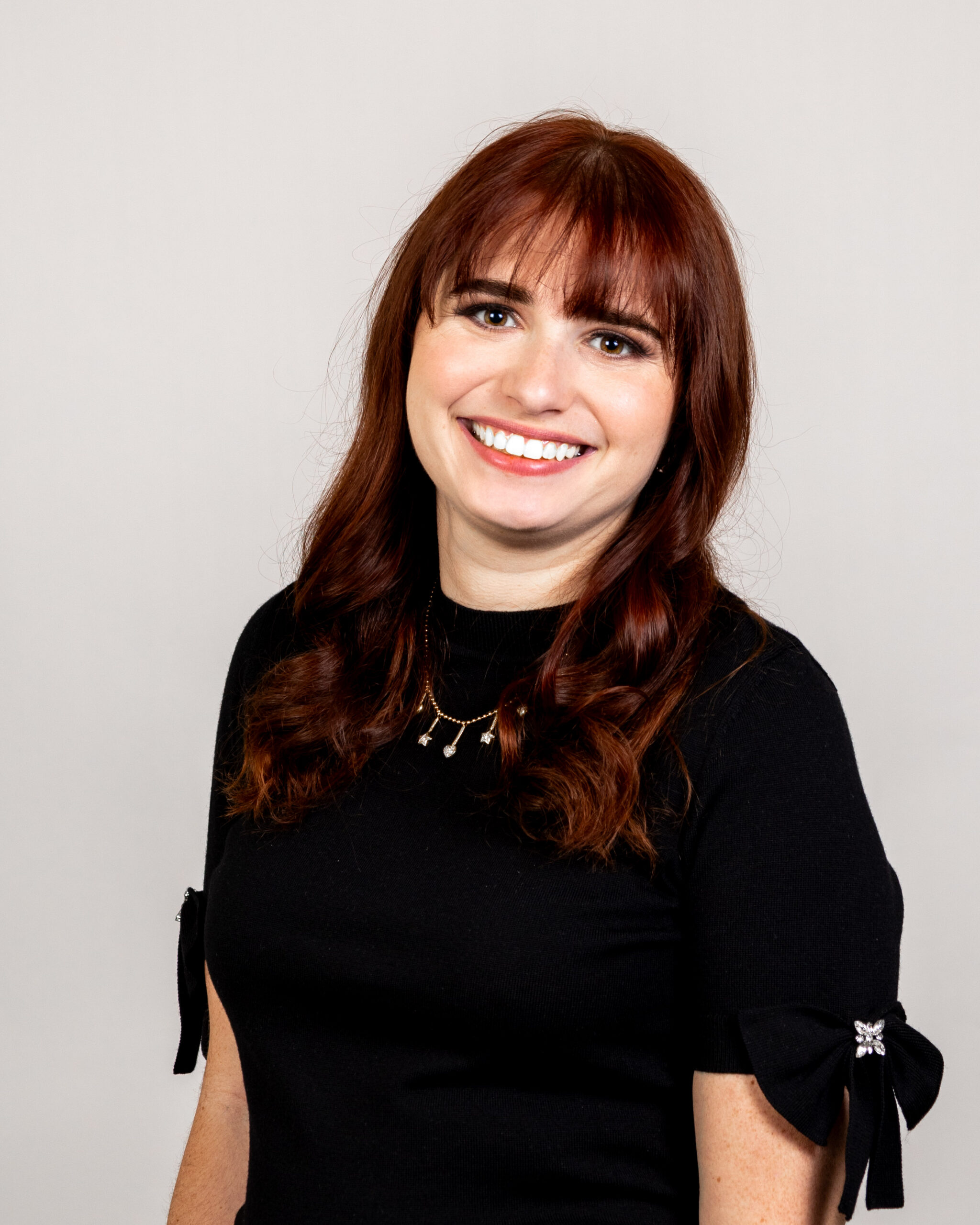
Haley Moss is a neurodiversity expert, lawyer, and the author of five books that guide neurodivergent individuals through professional and personal challenges. She is currently a speaker, consultant, and neurodiversity advocate for organizations and corporations that seek her guidance in creating an inclusive workplace and a sought-after commentator on disability rights issues. She has won multiple awards, from Forbes 30 Under 30 to ABA Making a Difference and much more. The first openly autistic lawyer in Florida, Haley’s books include Great Minds Think Differently: Neurodiversity for Lawyers and Other Professionals, The Young Autistic Adult’s Independence Handbook, and Talking The Talk About Autism: How To Share And Tell Your Story. Her articles have appeared in outlets including the Washington Post, Teen Vogue, and Fast Company. Haley’s life experiences, advocacy, and dedication guide her to leave the state of inclusion better than she found it.